If you want more space, a smaller-town feel, and a home base that still keeps you connected to the Wasatch Front, Brigham City deserves a serious look. For many buyers, the big question is not whether Brigham City is appealing. It is whether the commute will work in real life. The good news is that Brigham City can be a practical fit for the right job location, and understanding that tradeoff can help you buy with confidence. Let’s dive in.
Why Buyers Consider Brigham City
Brigham City stands out for buyers who want to live north of the denser Davis and Salt Lake corridor while staying connected to regional job centers. The city sits at the convergence of multiple interstates, with access from I-15, U.S. 89, and Utah Highways 89 and 91. That location gives you solid regional mobility by car, especially if your work or routine keeps you in northern Utah.
For many people, the appeal goes beyond the map. Brigham City offers a more relaxed setting, a historic downtown core, and outdoor access that can feel very different from busier communities farther south. If your priority is balancing affordability, livability, and a manageable commute, this city often lands on the shortlist.
Commute Reality From Brigham City
The first thing to know is simple: Brigham City works best when your destination is closer to the north end of the Wasatch Front. By road, Brigham City is about 25 miles from Ogden, 36 miles from Layton, 43 miles from Farmington, and 60 miles from Salt Lake City. That makes a big difference when you think about your daily routine.
Brigham City is not an extreme outlier on commute time. Current Census and city-plan data put the city’s mean travel time to work at about 20 to 21 minutes. That is slightly below Box Elder County overall at 22.3 minutes and in a similar range to nearby corridor cities like Tremonton, Perry, Clearfield, Farmington, Kaysville, and Layton.
The bigger issue is not average commute time on paper. It is where you need to go every day. A job in Ogden or another northern corridor city is usually a much easier fit than a daily drive into central Davis County or Salt Lake County.
Best Fit for Ogden-Area Commuters
If you work in Ogden, Brigham City can be one of the more compelling value plays in northern Utah. The distance is reasonable compared with destinations farther south, and you still get access to a community with a distinct local identity and lower home values than many Davis County markets.
That is why Brigham City often appeals to buyers who want more home for their money without giving up access to major regional corridors. You are making a tradeoff, but for Ogden-based employment, it can be a very practical one.
What About Layton, Farmington, or Salt Lake?
Once your job center moves farther south, the commute becomes a more deliberate lifestyle choice. Layton is roughly 36 miles away, Farmington about 43 miles, and Salt Lake City around 60 miles from Brigham City. That does not mean the move is off the table, but it does mean you should think carefully about how often you commute, what times you travel, and how much drive time you want built into your week.
For some households, lower housing costs and a quieter setting outweigh a longer drive. For others, being closer to work matters more. The key is being honest about your day-to-day schedule before you commit.
Transit Options to Know
Brigham City is largely car-dependent, but it is not without transit access. UTA’s current direct link is Route 630, the Brigham City to Ogden commuter bus. As of the April 2026 schedule, that route serves Brigham City, Perry, Willard, Pleasant View, Harrisville, and Ogden Central Station.
From Ogden Central Station, you can connect to FrontRunner for rail service south to Provo along the I-15 corridor. UTA reports weekday peak service every 30 minutes and off-peak and Saturday service every 60 minutes. For some commuters, that bus-and-rail combination can offer a useful alternative to driving the full distance.
It is also worth noting what does not exist right now. The Box Elder-to-Weber corridor has been preserved for possible future transit service, but that is long-range planning, not a current rail line in Brigham City. If rail access is a must-have at your front door, you should plan based on today’s bus connection, not future possibilities.
Housing Value in Brigham City
For many buyers, the commute question makes sense only when you compare it with what you get in return. Brigham City’s average home value was $413,632 as of March 31, 2026, with a median list price around $420,800. That places it below Layton, Kaysville, and Farmington, and also slightly below nearby markets such as Tremonton, Roy, and Clearfield.
That price position is a big part of Brigham City’s appeal. If you have been shopping farther south and feeling priced out or limited on space, Brigham City may open up more options. For value-conscious buyers, that can be the difference between settling and finding a home that fits your goals.
What the Housing Stock Looks Like
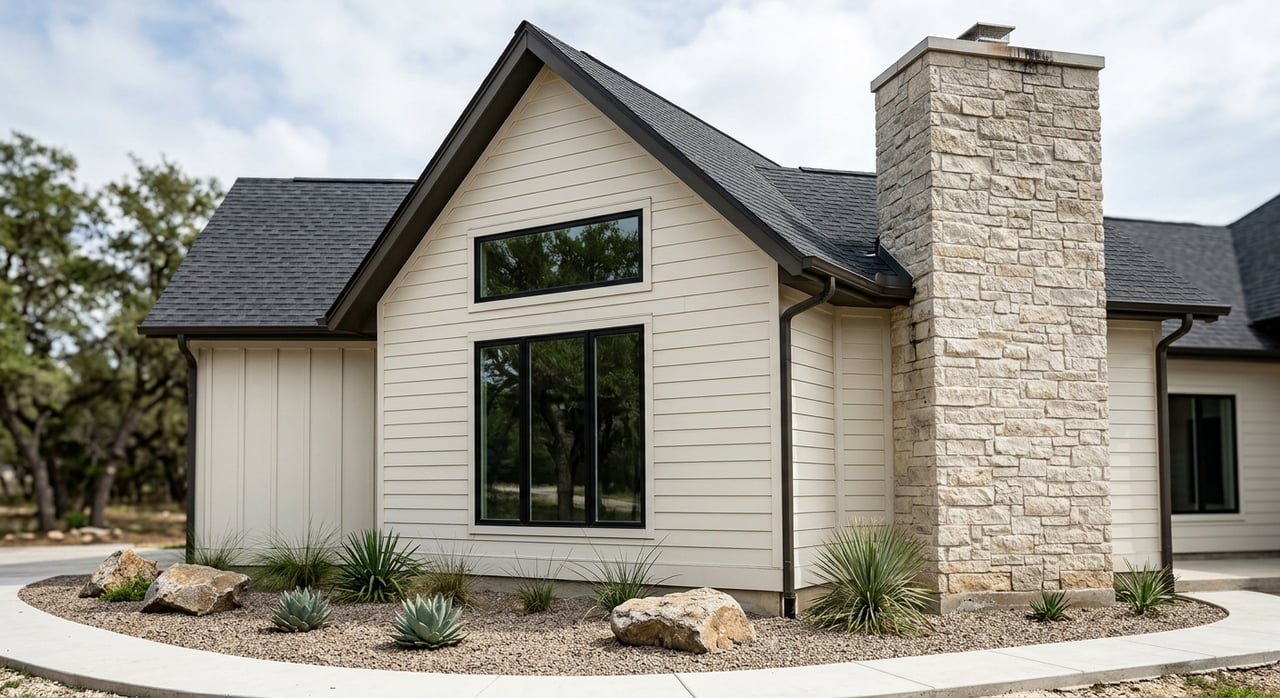
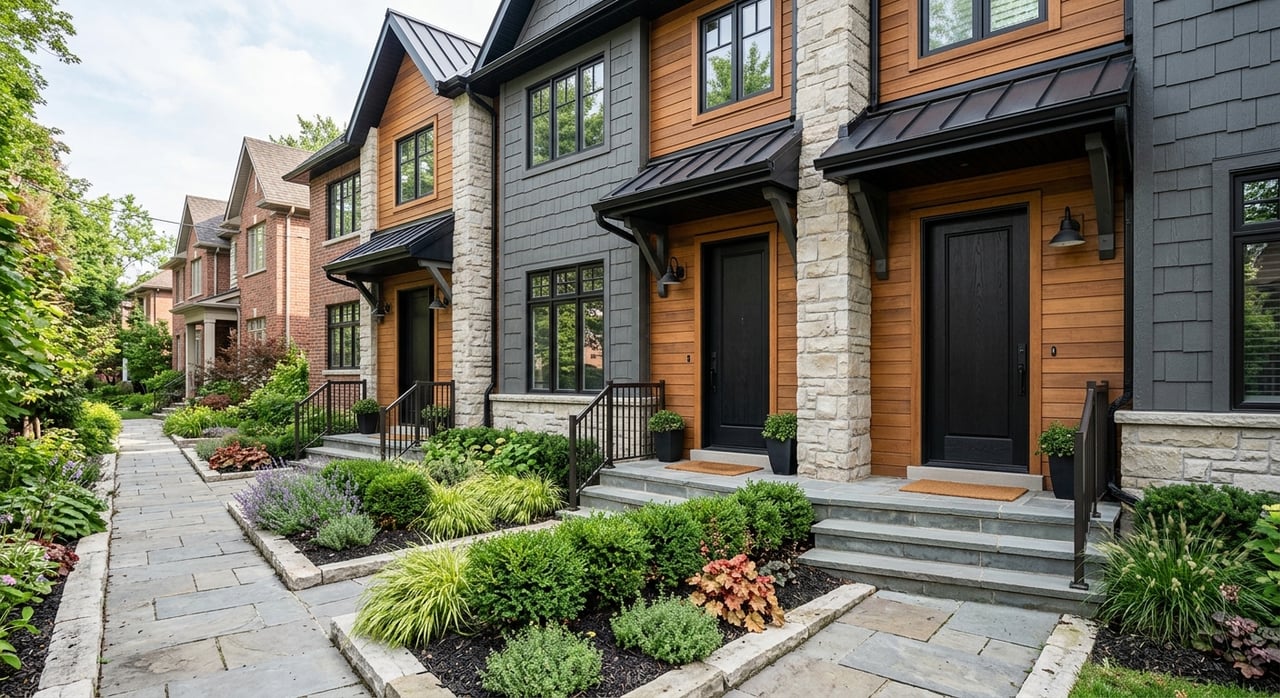
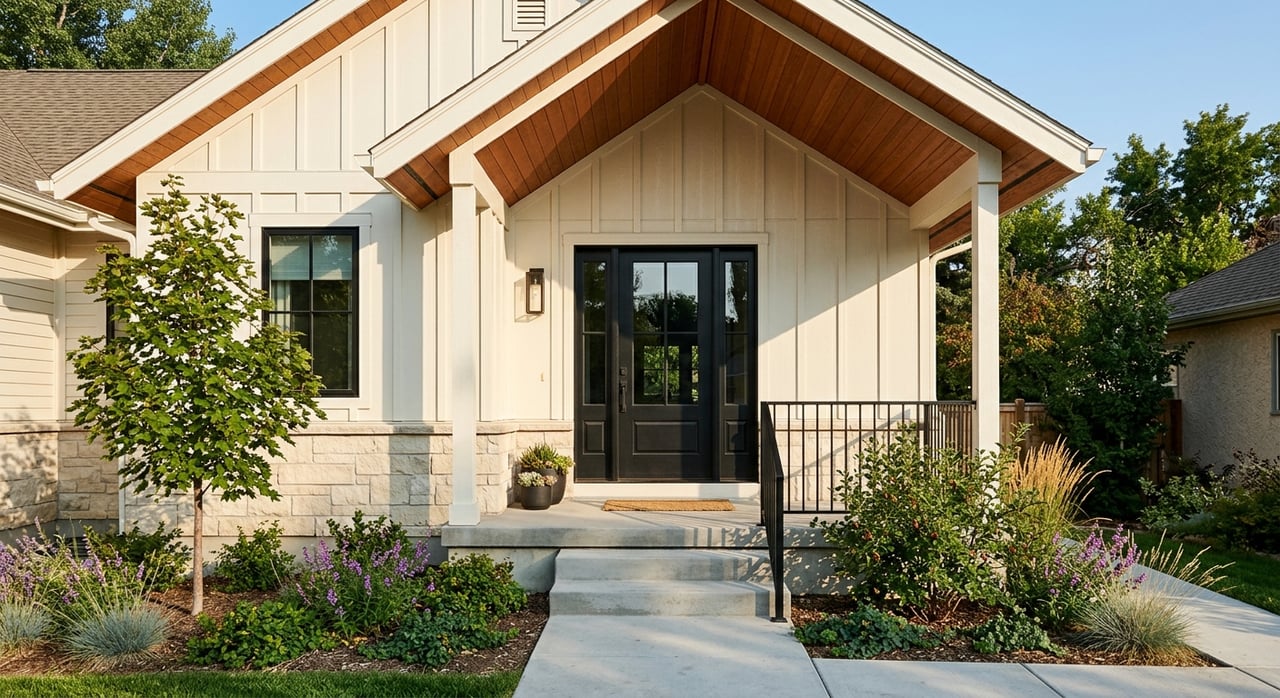
Brigham City’s 2025 general plan update reports 7,157 housing units, with housing stock that is predominantly single-family. At the same time, the city’s land-use patterns still allow for duplexes, townhomes, apartments, mixed-use areas, and infill opportunities near the historic core and transit corridors.
That means the market is not one-size-fits-all. Single-family homes lead the mix, but buyers may still find a range of housing types depending on budget, location preferences, and long-term plans. If you are relocating or buying your first home, that flexibility can matter.
Lifestyle Perks Beyond the Commute
A move to Brigham City is not only about shaving dollars off a purchase price. It is also about choosing a place with local character. Visit Utah highlights the city’s Main Street archway and the Brigham City Museum of Art & History, a free downtown cultural amenity that adds to the community feel.
The city is also known for Peach Days, which began in 1904 and remains Utah’s longest continually running harvest festival. Events like that help explain why many buyers see Brigham City as more than a commuter outpost. It has its own traditions and rhythm.
Outdoor Access Matters Here
If you enjoy time outside, Brigham City has a strong case. The Bear River Migratory Bird Refuge offers birding, hiking, cycling, wildlife photography, and a 12-mile auto tour route. Willard Bay State Park, just west of I-15, is known for camping, boating, birding, and fishing.
You also have the Fruit Way corridor on Highway 89 south of town, known for roadside fruit stands and seasonal produce. For buyers who want daily life to include more open space and recreation, these features can make the location tradeoff feel worthwhile.
Who Brigham City Fits Best
Brigham City tends to make the most sense for a few types of buyers. It can be especially attractive if you want a value-oriented market, need a practical Ogden-area commute, or prefer a smaller-town setting with access to outdoor recreation.
It may be a strong fit if you are:
- Working in Ogden or northern Wasatch Front cities
- Looking for lower home values than many Davis County markets
- Prioritizing single-family housing options
- Comfortable with a car-first lifestyle
- Interested in a community with local events and nearby recreation
If your daily life centers on Salt Lake County or central Davis County, you can still consider Brigham City. You just want to go in with a clear understanding that the distance is part of the bargain.
How to Decide if the Commute Is Worth It
The best way to evaluate Brigham City is to look at your full picture, not just a map pin. Think about your work location, your weekly schedule, your housing budget, and how much value you place on space, pace, and community feel. A lower purchase price can be meaningful, but only if the day-to-day routine still works for you.
This is where local guidance matters. When you compare Brigham City with options in Farmington, Layton, Clearfield, Roy, or other northern Utah communities, you can start to see what you gain and what you give up in each market. That side-by-side view helps you make a move that feels smart now and sustainable later.
If you are weighing Brigham City against other northern Utah areas, Estela can help you compare commute patterns, price points, and housing options based on your real goals. When you are ready to plan your next move, connect with Estela Lewis for personalized guidance.
FAQs
Is Brigham City a good place to live if you work in Ogden?
- Yes. Brigham City is roughly 25 miles from Ogden, which makes it one of the more practical commute pairings for buyers who want a north-end Wasatch Front home base.
Does Brigham City have public transit for commuters?
- Yes. UTA Route 630 connects Brigham City with Perry, Willard, Pleasant View, Harrisville, and Ogden Central Station, where you can connect to FrontRunner service.
How long is the average commute in Brigham City?
- Brigham City’s mean travel time to work is about 20 to 21 minutes, based on current Census and city-plan data.
Are home prices in Brigham City lower than Davis County cities?
- In many cases, yes. Current Zillow data shows Brigham City’s average home value at $413,632, which is below markets like Layton, Kaysville, and Farmington.
What types of homes are common in Brigham City?
- Brigham City’s housing stock is predominantly single-family, though the city also includes duplexes, townhomes, apartments, mixed-use areas, and infill housing opportunities.
What lifestyle amenities does Brigham City offer for buyers?
- Brigham City offers downtown attractions like the Brigham City Museum of Art & History, community traditions like Peach Days, and outdoor access through Bear River Migratory Bird Refuge and nearby Willard Bay State Park.